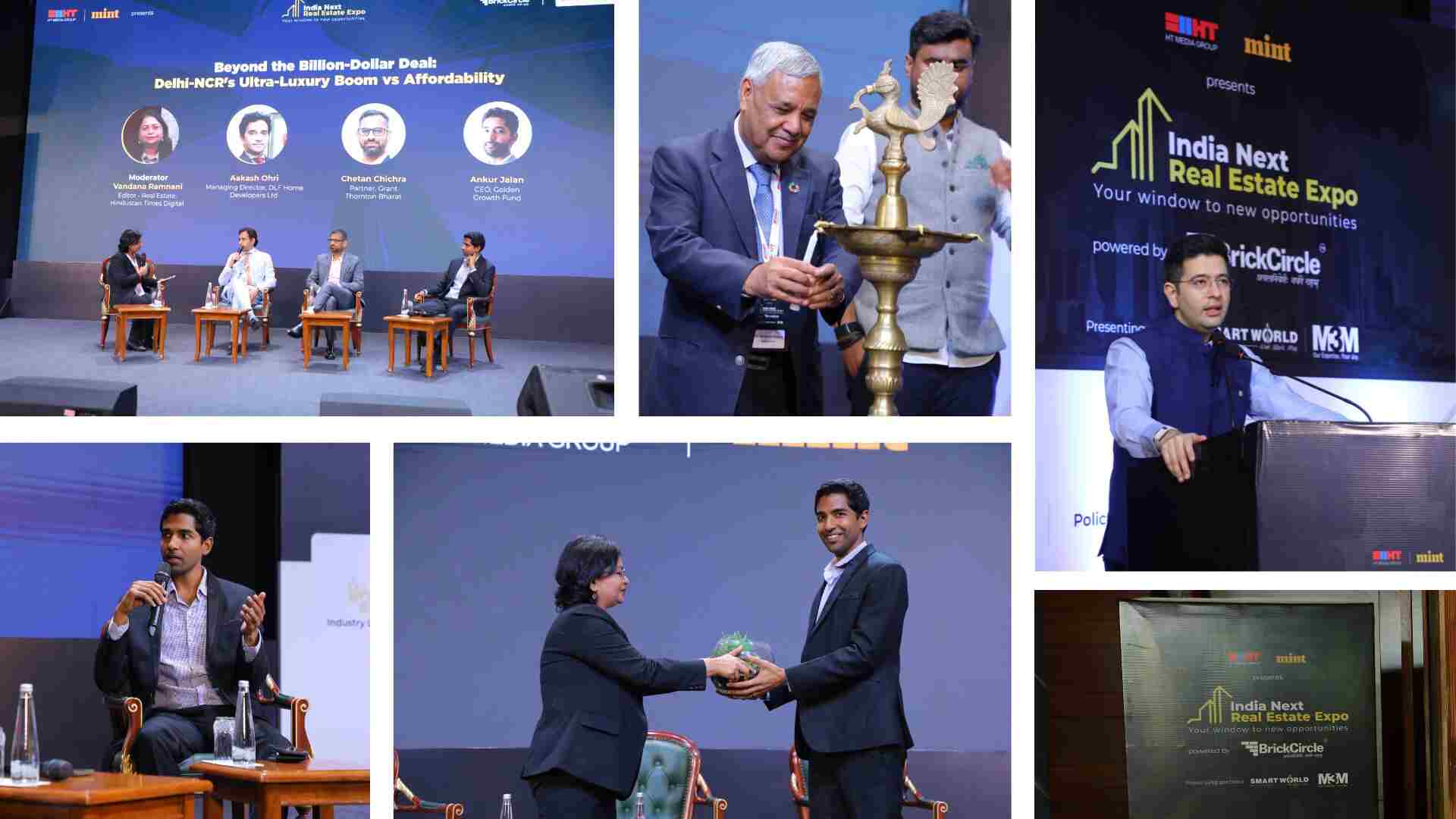
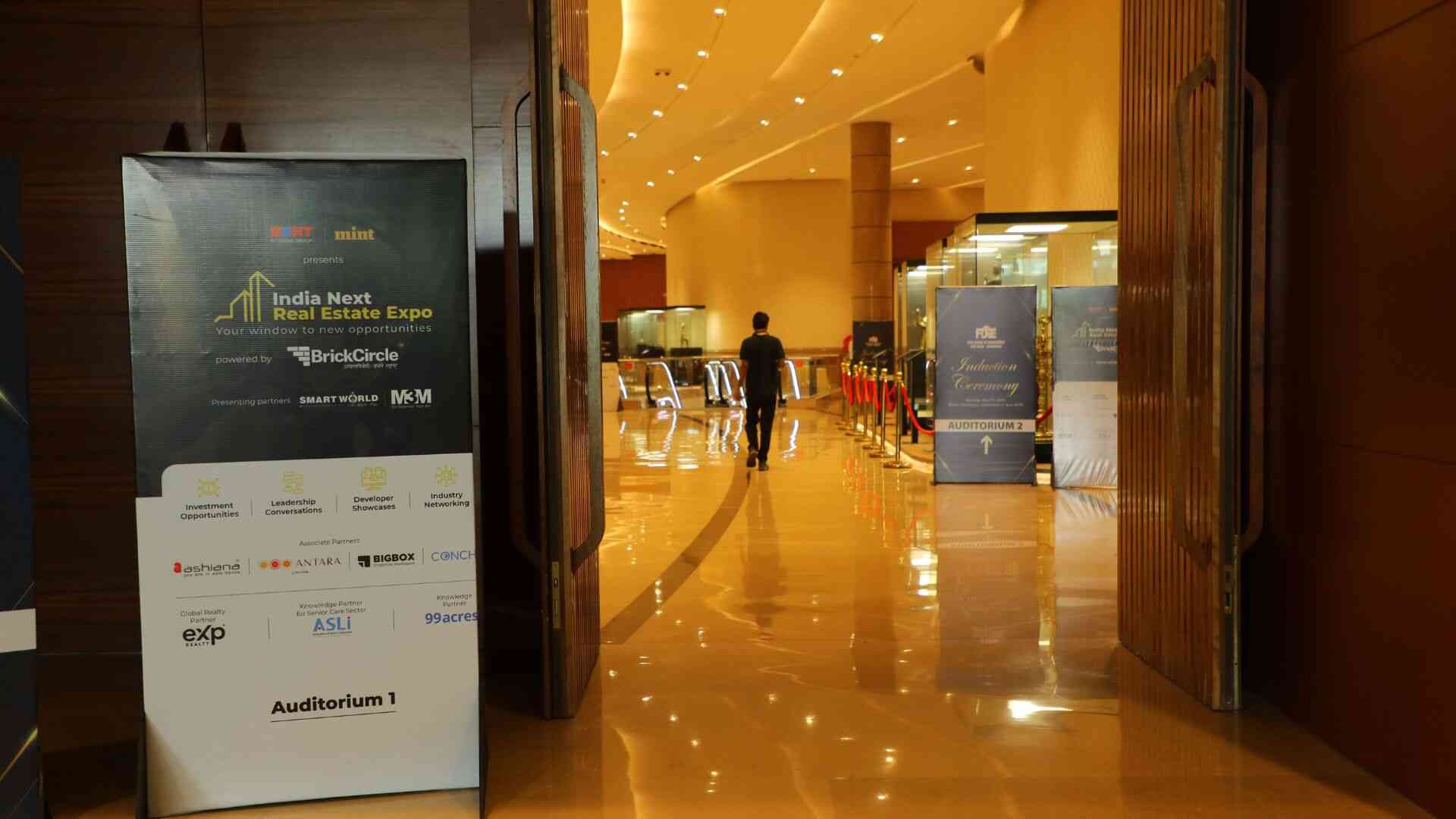
The billion-dollar deal makes the headline. What sustains a market is everything underneath it — and that was the real subject of conversation at this year’s India Next Real Estate Expo 2026, presented by HT Media Group and Mint, powered by BrickCircle, held at Bharat Mandapam, New Delhi.
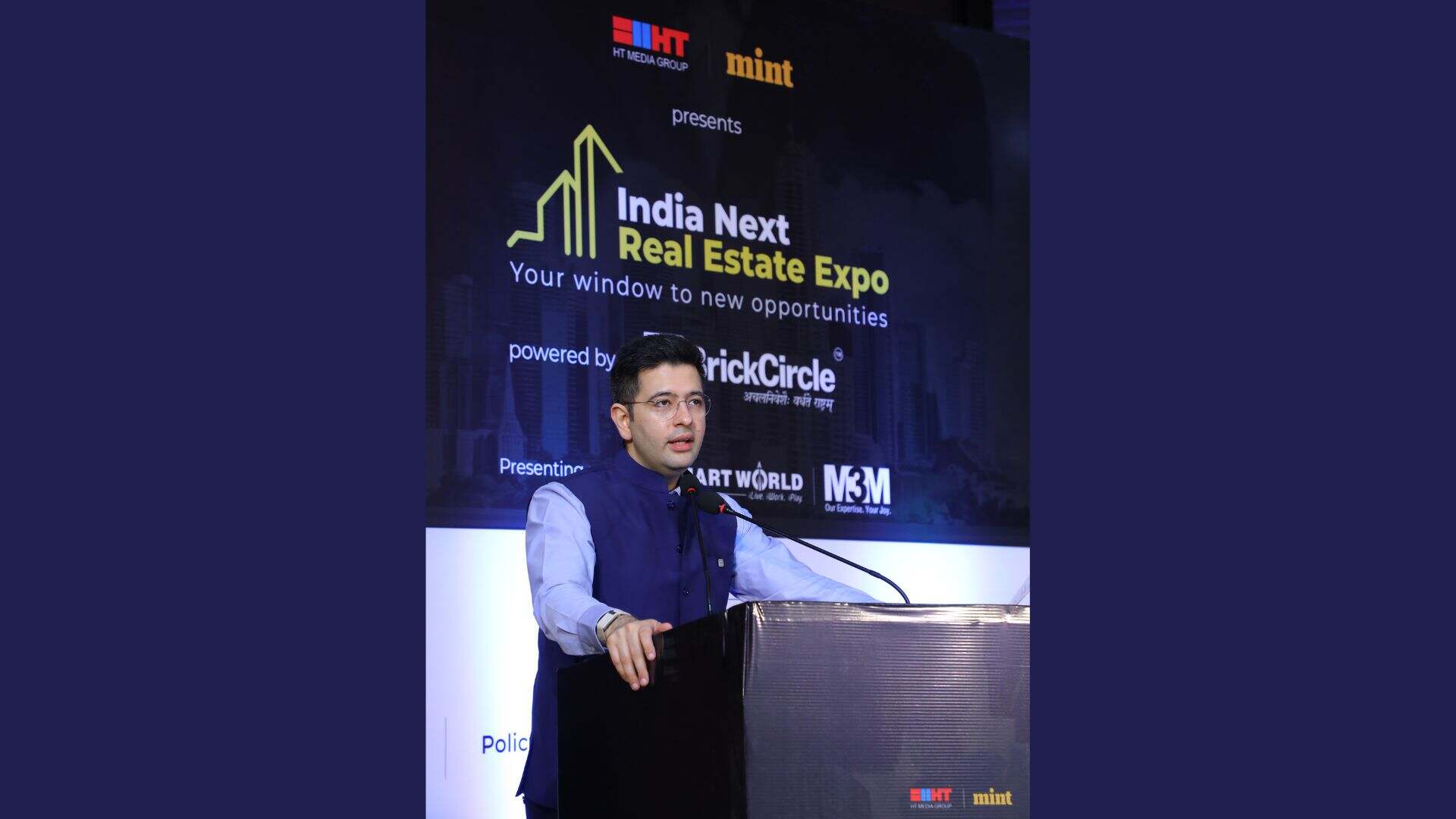
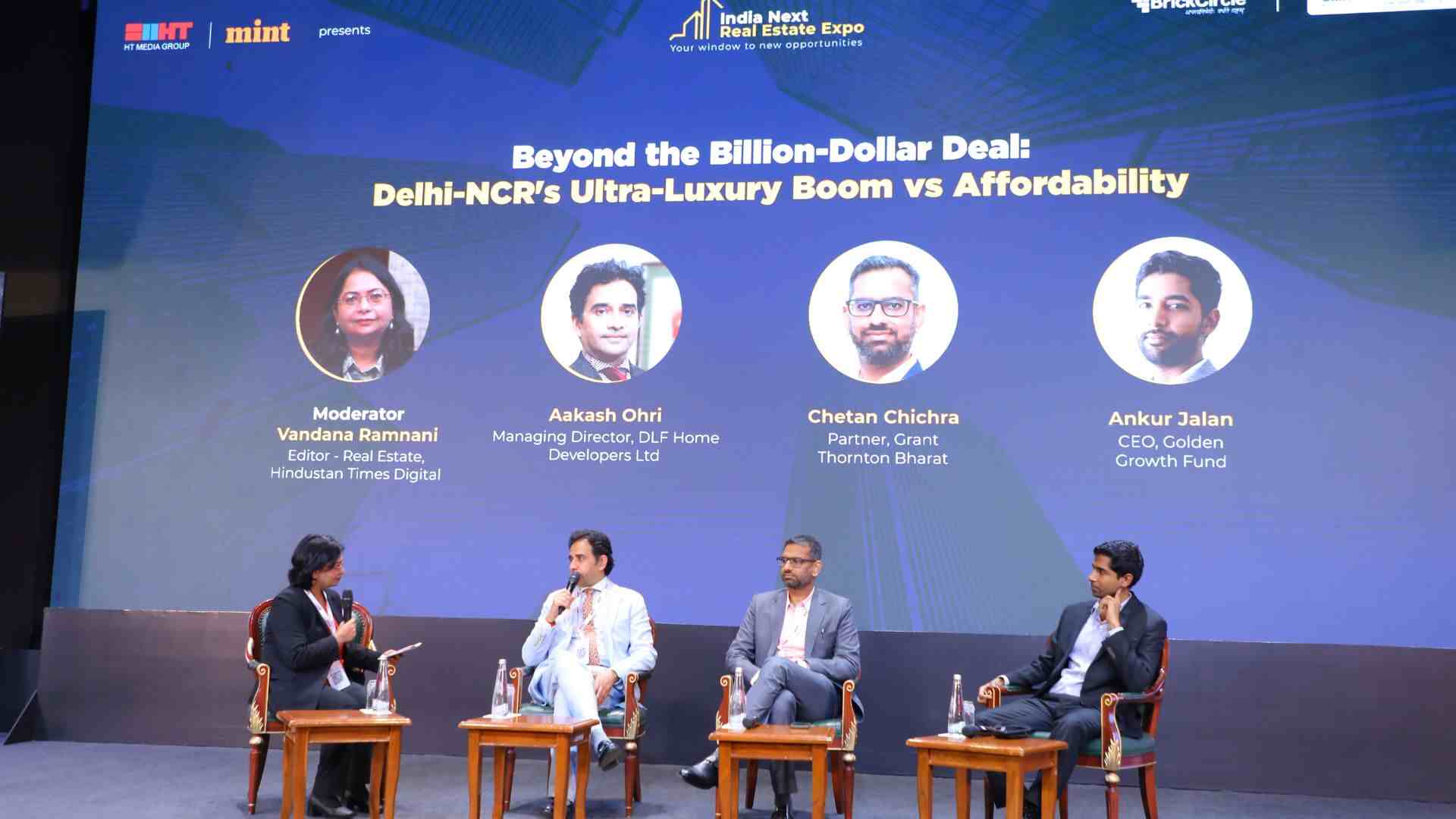
Ankur Jalan, CEO of Golden Growth Fund (GGF), joined the panel discussion “Beyond the Billion-Dollar Deal: Delhi-NCR’s Ultra-Luxury Boom vs Affordability” — one of the day’s most anticipated conversations, graced by Raghav Chadha, Hon’ble Member of Rajya Sabha, who joined as Chief Guest and set the tone for the discussions that followed with his opening remarks.
The Panel – India Next Real Estate Expo 2026
Sharing the stage with Ankur Jalan were two of the most credible voices in Indian real estate and advisory:
- Aakash Ohri, Managing Director, DLF Home Developers Ltd
- Chetan Chichra, Partner, Grant Thornton Bharat
The panel was expertly moderated by Vandana Ramnani, Editor – Real Estate, Hindustan Times, who steered the conversation between two forces that are usually discussed in isolation: Delhi-NCR’s booming ultra-luxury segment, and the affordability crisis playing out just a few kilometres away from it.
Three Convictions From the Panel
Golden Growth Fund’s CEO carried three core convictions into the discussion — ideas that reframed the “luxury vs affordability” debate as a single, connected story rather than two separate markets.
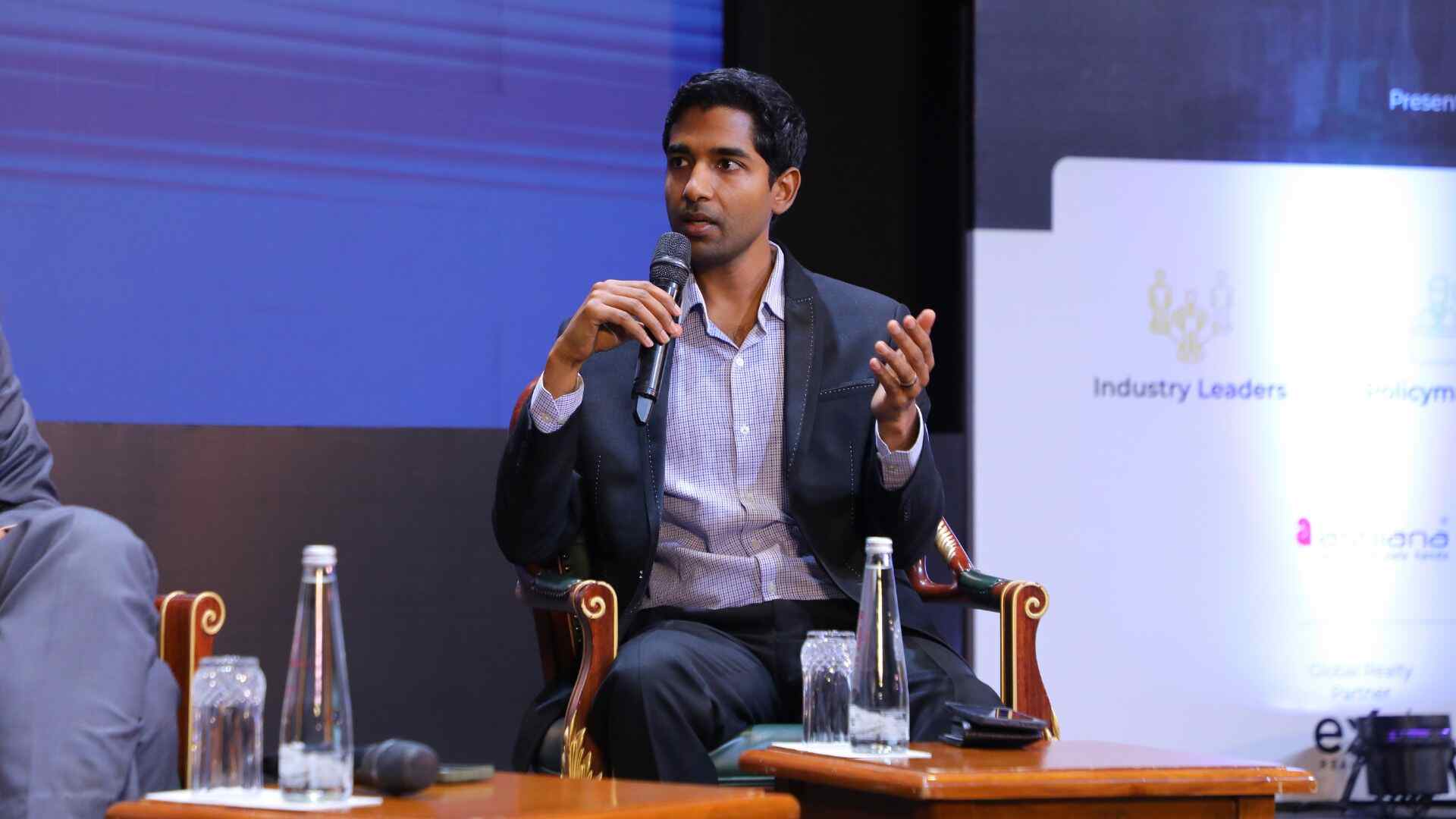
1. Ultra-luxury and affordability aren’t opposing forces. They’re the same supply question, asked from two ends of the income curve. Delhi’s real constraint has never been demand — it’s land. Whether a buyer is looking at a ₹50 lakh home or a ₹50 crore one, they’re both bumping up against the same scarcity.
2. The most resilient addresses in the NCR aren’t new frontiers — they’re the old ones. South Delhi real estate and Lutyens’ Delhi investment destinations remain the most structurally scarce micro-markets in the region. New supply here doesn’t come from expansion; it comes from redevelopment — which is precisely why a South Delhi fund built around disciplined capital has an edge over speculative buying.
3. Capital discipline is what separates a cycle from a story. Real estate in Delhi-NCR is having a moment, but moments end. What holds a market together over the long run is the same institutional rigour that governs any serious asset class — underwriting, structuring, and governance, not just timing a boom.
Why This Matters for GGF’s Investors
These convictions aren’t just panel talking points — they’re consistent with the thesis Golden Growth Fund has been building with its investor community: that access to Delhi-NCR’s most resilient, land-constrained micro-markets doesn’t have to come through direct home-buying.
As a SEBI-registered Category II AIF, GGF’s model brings the same institutional-grade discipline Ankur Jalan spoke to on stage to real estate investment in India — giving HNIs and NRIs a way to pursue investment in real estate and luxury real estate investment in South Delhi and the wider NCR through structured investment returns, rather than the uncertainty of timing a single property purchase. For NRI investment in India real estate, an AIF route also removes much of the operational friction of owning and managing property directly.
It’s this thesis that positions Golden Growth Fund among the real estate AIFs in India built specifically around South Delhi’s scarcity-driven market.
A Platform Worth Being On
Sharing a stage with DLF’s Aakash Ohri and Grant Thornton Bharat’s Chetan Chichra — right after opening remarks from a sitting Rajya Sabha MP as Chief Guest — is the kind of platform that validates a thesis rather than just promoting it. For Golden Growth Fund, it was a chance to make the case, in front of an audience that matters, that disciplined capital belongs in Delhi-NCR’s real estate story as much as any developer or deal does.
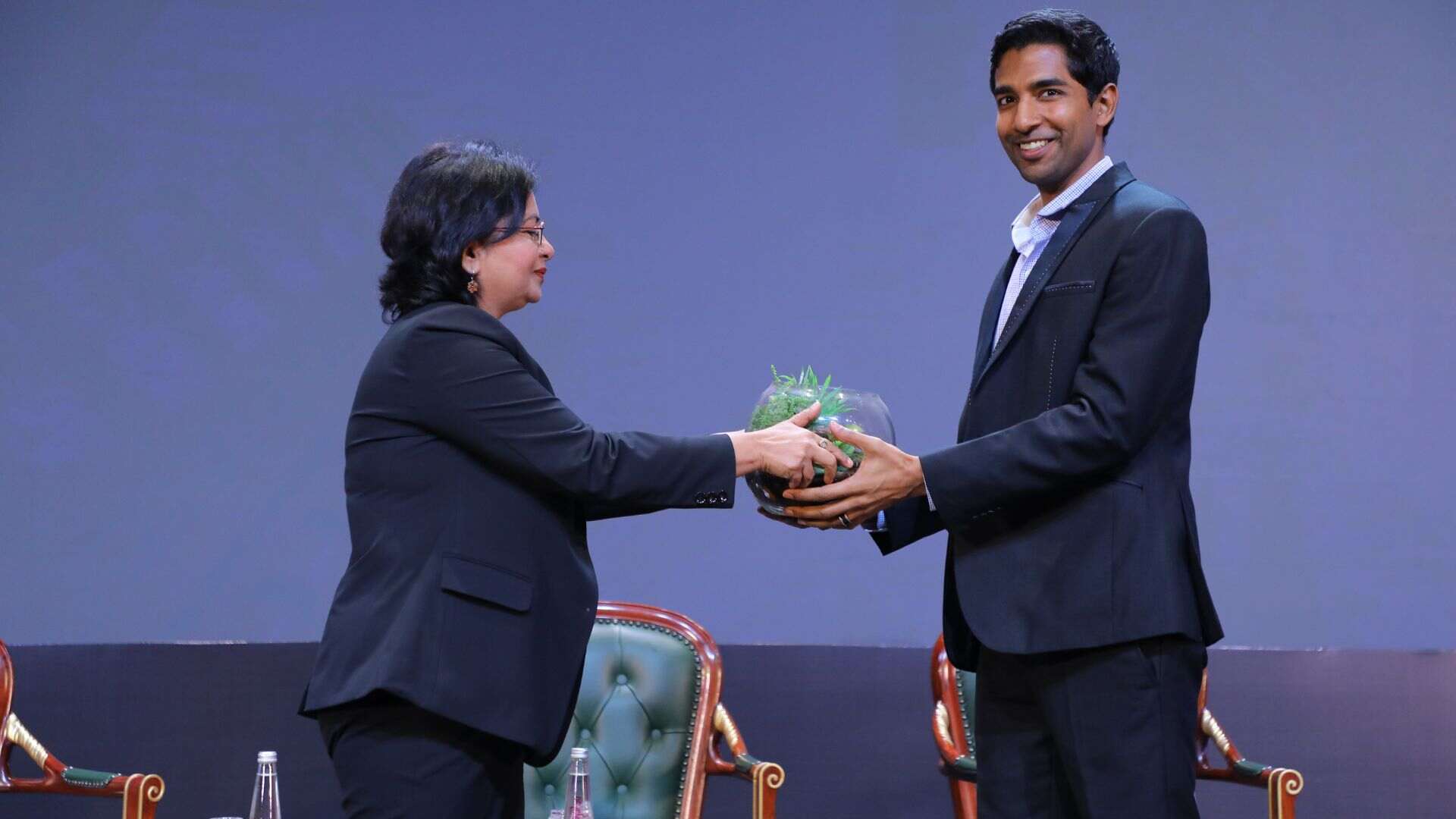
Grateful to the @HT–Mint team for the platform, and to @BrickCircle for bringing the industry together at Bharat Mandapam.